Home › Walkway and Pathway Paving
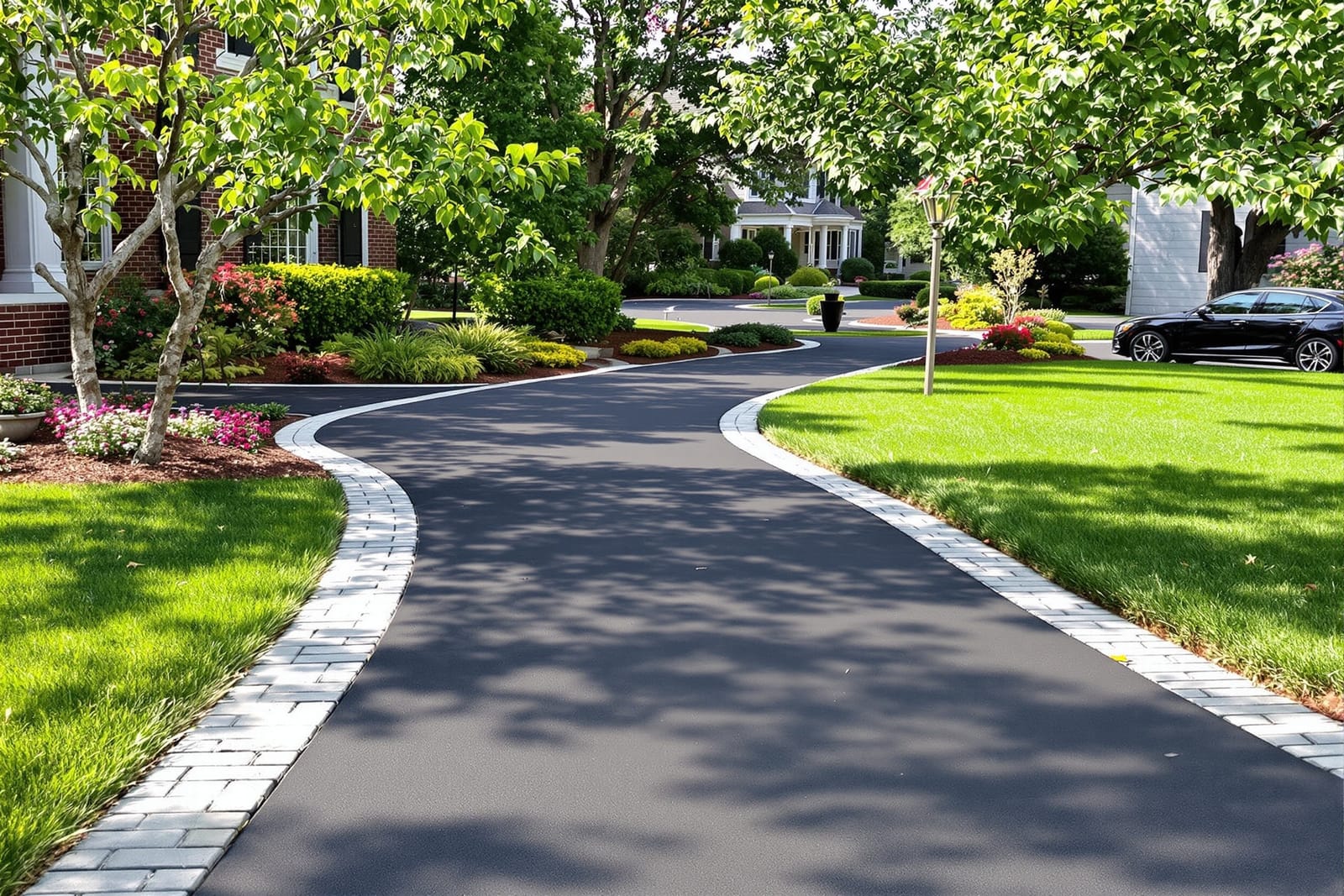
Our asphalt walkway paving in Henderson, NV creates smooth, safe paths that connect driveways, entrances, and outdoor spaces. We design and install asphalt walkways with proper grading, edges, and transitions so your family and guests enjoy comfortable, trip free access around your property.
Precision Asphalt Henderson provides professional asphalt walkway paving throughout Henderson, NV, Nevada and the surrounding area. Our licensed, insured crew delivers safe, clean, on-time work with a free estimate before anything begins. Call (702) 707-5043 or request your free quote.
Local Walkway Paving Experts in Henderson, NV
Everyday walking paths see more foot traffic than most driveways, especially around schools, HOA common areas, and busy storefronts in Henderson. Precision Asphalt Henderson focuses on asphalt walkway paving that stands up to desert sun, sudden downpours, and heavy use from strollers, carts, and bicycles.
When we look at a new walkway or pathway project, we do not start with a sales pitch. We start with how people actually use the space. Are kids cutting across a park to get to a playground, or are guests walking from the parking lot to a medical office? The expected traffic changes the pavement thickness, the base material, and the edge support we recommend.
Because Henderson soils can shift and dry out quickly in summer, we pay close attention to subgrade preparation and drainage. A walkway that looks fine in photos may crack or heave within a couple of years if water has nowhere to go. Our team designs each path so that water sheds correctly and does not sit against curbs, planters, or building foundations.
Whether you manage an HOA near Anthem, operate a commercial plaza on Eastern Avenue, or want a clean, safe walkway around a custom home, we tailor the work to your property instead of forcing a one size fits all layout.
How Asphalt Walkway Paving Actually Works
A well built asphalt walkway is not just a thin strip of black material on top of dirt. It is a layered system. Here is how we typically install walkways and pathways in Henderson:
1. Layout and marking. We walk the route with you and mark proposed edges with paint and stakes. This is when we adjust curves, alignments, and widths so the path feels natural and meets accessibility needs.
2. Excavation and subgrade preparation. We remove existing sod, gravel, or old pavement to the required depth, usually 6 to 10 inches depending on soil and expected use. The exposed soil is then shaped and compacted so it is firm underfoot, not powdery or spongy.
3. Base installation. We bring in crushed aggregate base, such as Type II, spread it to the designed depth, then compact it in several passes with vibratory equipment. For walkways that may see light vehicle access, like maintenance carts, we increase the base thickness for added strength.
4. Edge definition. Depending on the project, we may set concrete mow curbs, install metal edging, or create a compacted shoulder. Solid edges help keep the asphalt from unraveling over time when pedestrians or lawn crews step or drive along the sides.
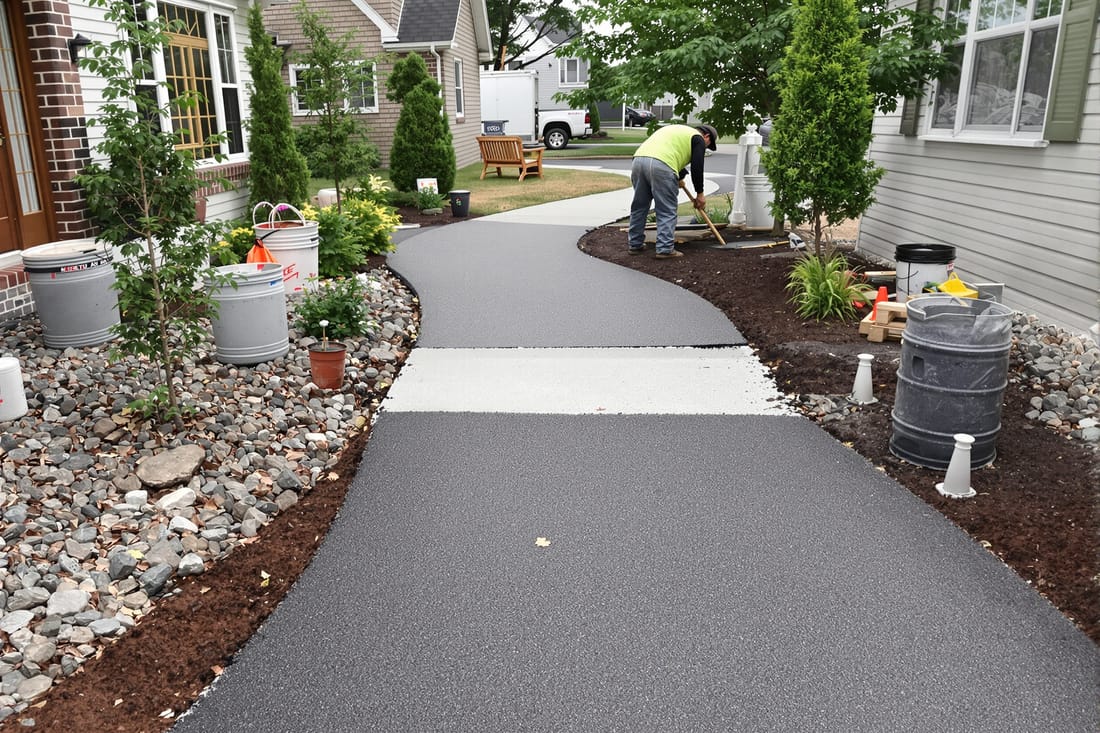
5. Asphalt placement. We use either a small paver or hand lay the asphalt mix, then compact it with appropriate rollers and plate compactors. Typical thickness for pedestrian walkways in Henderson is 2 to 3 inches after compaction. Thicker sections may be used near loading areas or dumpster pads that intersect paths.
6. Finishing, joints, and cleanup. We smooth transitions to existing concrete, address any joints where the path meets driveways or ramps, and shape shoulders so there are no trip edges. Finally, we clean the area so it is ready for use once cooled.
Each of these steps affects the lifespan of your walkway. Skipping base or rushing compaction may save money on day one, but it usually leads to a rough, cracked path within a few seasons.
Design Options for Walkways and Pathways
Asphalt walkway paving does not have to look plain. On many Henderson projects, we combine practical function with details that fit the property style.
Width and alignment. Most residential paths run 3 to 4 feet wide, while HOA and commercial walkways benefit from 5 to 8 feet to allow people to pass comfortably. Curved alignments can guide pedestrians away from plant beds or bring them to specific entry points.
Surface texture. We control the finish by adjusting compaction methods. For example, a slightly textured surface can be safer near pools or splash pads, while a smoother finish works best for wheelchairs and delivery carts.
Borders and transitions. Many clients choose asphalt for the main walking surface and concrete for crosswalks, ramps, or decorative borders. We set these up so there are no abrupt changes in height and ensure ADA compliant slopes where required.
Color and coatings. Standard asphalt is black when new and fades to dark gray. If you need lower surface temperatures or a specific color, we can apply specialty coatings or sealers in lighter tones. This is especially useful for school campuses or playgrounds where bare asphalt may get too hot in peak summer.
Lighting and drainage planning. When we design a path layout, we also look at how future lighting or irrigation might be added so you do not have to cut into the pavement later. We coordinate elevations so water drains away from light bases and valve boxes instead of ponding around them.
What Drives the Cost of Asphalt Walkway Paving
No two pathway projects are priced exactly the same, even if they look similar at first glance. Several specific factors influence cost in Henderson:
Length, width, and thickness. More square footage and thicker asphalt or base layers mean more material and labor. A long, narrow path around a park is usually more cost effective per square foot than several short, separate walkways that need extra edges and transitions.
Site access. Easy access for materials and equipment keeps costs lower. If we must haul materials through narrow side yards or work only by hand in tight courtyards, labor time increases. We always look for routing that minimizes disruption to homeowners and tenants while staying efficient.
Existing conditions. Removing old concrete, failed asphalt, or tree roots can add to prep costs. In older Henderson neighborhoods, we often find irrigation lines directly under existing walkways. Protecting or relocating these lines is factored into the estimate so there are no surprises during construction.
Drainage and grading needs. If your site requires significant grading to correct standing water or to tie into existing curbs and entries, we account for the extra machine time and materials. Investing in proper grading up front almost always saves money later by reducing patching and trip hazard repairs.
Finish details. Striping, signage, bollards, and decorative borders are optional but can add value. We present these as separate line items so you can prioritize what matters most for your project and budget.
Common Walkway Problems in Henderson and How We Prevent Them
Our team has rebuilt many walkways in Henderson that failed before their time. Most of the issues trace back to predictable causes.
Cracking from poor base support. When base rock is too thin or not compacted correctly, asphalt flexes and cracks. To prevent this, we test base compaction with field density checks and use multiple passes with the right equipment, especially along edges where failures usually start.
Root damage. Trees along walkways provide much needed shade but can push up pavement. We coordinate with you to choose realistic alignments and may install root barriers or adjust base thickness near existing trees. In some cases we recommend minor root pruning, done carefully so the tree remains healthy.
Standing water and slippery spots. Low areas collect water during monsoon storms and winter rains, which can lead to algae growth and surface softening. During layout, we target minimum slopes of around 2 percent where possible so water finds a path to landscape areas, drains, or gutter lines.
Raveling and edge breakup. When the sides of a walkway start to crumble, it is usually because there was no edge restraint or the shoulder was not compacted. We address this by compacting shoulders right after asphalt placement and, when appropriate, installing concrete or metal edging.
Heat and oxidation. In Henderson, ultraviolet exposure is intense. Over time, the asphalt binder dries out. Periodic sealcoating on high use paths and simple cleaning practice can slow this weathering and keep surfaces smoother and darker for longer.
When to Schedule Walkway and Pathway Paving in Henderson
Our climate shapes the best timing for asphalt work. The heat that makes summer uncomfortable for people actually helps asphalt compact and bond, but extreme temperatures can also create challenges.
Ideal paving seasons. Late spring and early fall are usually the most balanced times for walkway paving in Henderson. Temperatures are warm enough for good compaction and curing, but not so high that the surface scuffs easily under early foot traffic. During these periods, we can also work more comfortably around occupied properties with minimal schedule disruption.
Summer considerations. In mid summer, we often start earlier in the day to avoid the hottest hours, especially on school campuses and busy commercial sites. Asphalt placed in high heat cools more slowly, so we extend cure times before reopening paths to pedestrians. We plan staging so residents, students, or customers still have safe alternate routes during the brief closure.
Winter projects. Asphalt can still be installed in winter, but we watch forecasted overnight lows and daytime temperatures carefully. On cooler days, we adjust mix temperature and compaction timing so the material does not cool too fast. For shaded areas that stay chilly longer, we may recommend waiting for a warmer window to preserve quality.
If you are coordinating with landscape installation, irrigation upgrades, or exterior renovations, involve us early. Proper sequencing can prevent the need to cut new walkways later for pipe runs or conduit.
Why Work With Precision Asphalt Henderson for Your Walkway Project
Choosing a contractor for asphalt walkway paving is about more than the price per foot. It is about long term reliability and how well the team listens to your needs.
At Precision Asphalt Henderson, we have paved and repaired walkways for HOAs, churches, schools, medical offices, and homeowners throughout the valley. We understand that pathways must be safe for all ages, from small children to older adults who are more vulnerable to trip hazards.
We approach each job with a clear plan. You receive a written scope that explains excavation depth, base thickness, asphalt thickness, and any drainage corrections. During construction, we keep you informed, especially when we uncover unexpected issues like hidden irrigation lines or soft subgrade that needs reinforcement.
Because we live and work in Henderson, our reputation is local. Much of our business comes from repeat clients and referrals between neighboring communities. That is why we focus on durable work instead of cutting corners. A walkway that stays smooth and safe for years reflects well on both your property and ours.
If you are considering new or replacement walkways or pathways, we are available to walk the site with you, discuss options, and provide a detailed proposal. Whether your priority is accessibility, appearance, or low maintenance, we help you select the paving approach that fits your goals and budget.