Home › Gravel-to-Asphalt Conversions
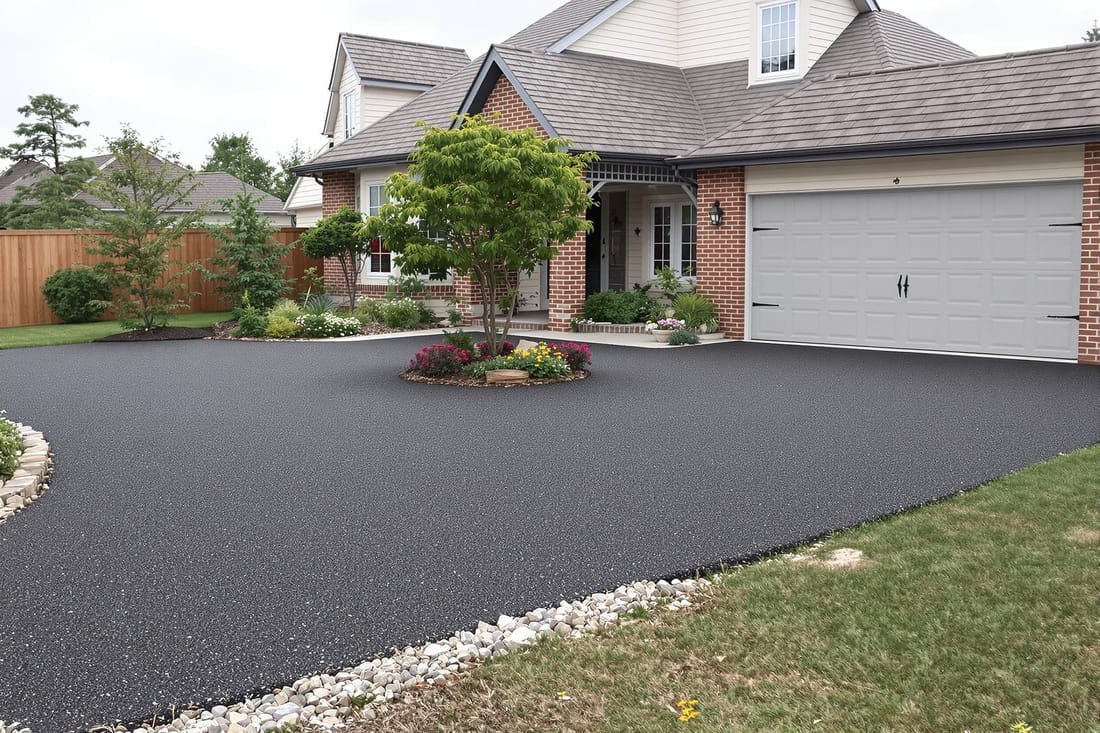
Our gravel to asphalt driveway services in Henderson, NV transform dusty, uneven gravel into a clean, low maintenance asphalt surface. We regrade and compact the base, resolve drainage issues, then install quality blacktop so your driveway stays smooth and mud free year round.
Precision Asphalt Henderson provides professional gravel to asphalt driveway throughout Henderson, NV, Nevada and the surrounding area. Our licensed, insured crew delivers safe, clean, on-time work with a free estimate before anything begins. Call (702) 707-5043 or request your free quote.
Turn Your Gravel Driveway Into a Smooth Asphalt Surface
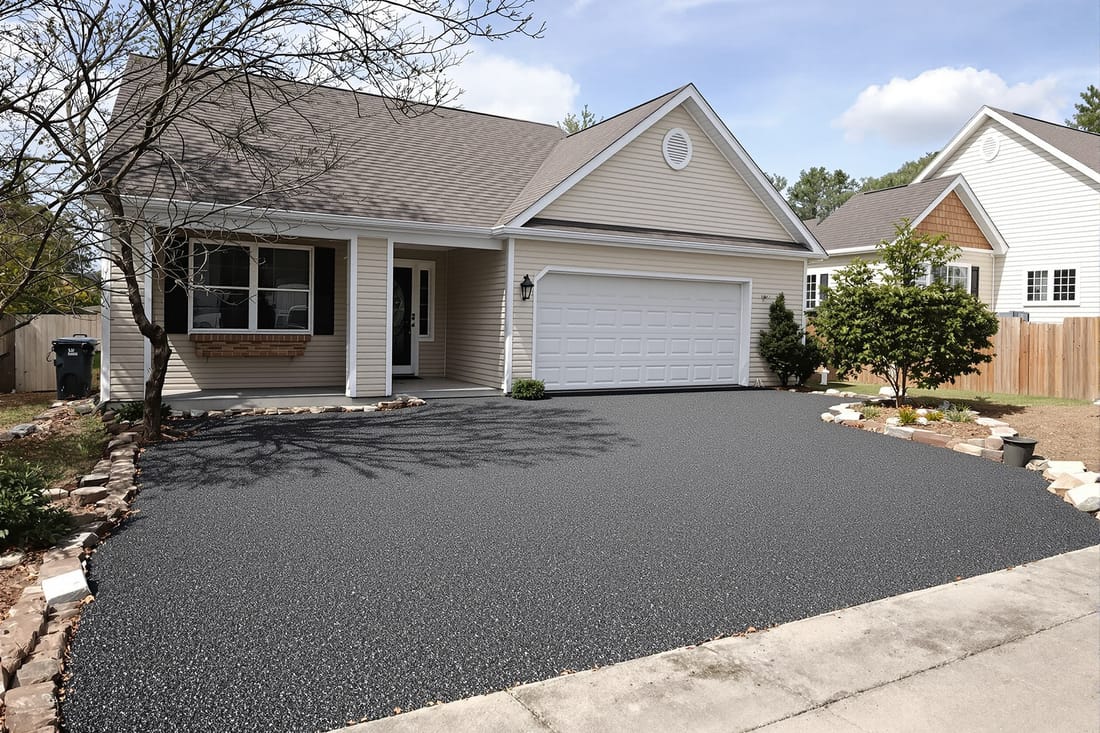
If you are tired of dust, washboards, and ruts every time you pull into your property, a gravel to asphalt driveway conversion can be a smart upgrade. Precision Asphalt Henderson specializes in taking bumpy gravel drives in Henderson and the surrounding Clark County area and turning them into clean, solid asphalt surfaces that handle our desert climate and occasional heavy rains.
Converting from gravel to asphalt is not just putting blacktop over what you already have. A long lasting driveway in our local soils starts with evaluating what is under your tires today. In Henderson we see a lot of decomposed granite, caliche, and sandy fill. Each reacts differently when compacted and when it gets wet. Before we quote anything, we walk the length of your driveway, look for soft spots, standing water, and existing drainage paths, and check thickness of the existing gravel.
From there, we can tell you honestly whether your gravel base can be reused, needs to be reshaped, or should be supplemented with additional aggregate. This up front inspection is what separates a driveway that looks good for one season from one that still looks good after years of summer heat cycles and monsoon storms.
How a Gravel-to-Asphalt Conversion Actually Works
Homeowners often ask what really happens during a gravel to asphalt driveway project. With Precision Asphalt Henderson you will see a clear, step by step process so there are no surprises.
1) Layout and elevation check: We mark the driveway edges, driveway mouth at the street, and any transitions to garages or walkways. We shoot elevations so water flows away from structures and out to the street or swale. In Henderson, code and practicality both favor keeping runoff out of garages and neighbors' yards.
2) Grading and base prep: We start by cutting down high spots, filling low areas, and tightening curves if needed for easier vehicle access. Existing gravel is scarified and blended so it compacts as one uniform base. Where the subgrade is soft, especially in shaded or irrigated areas, we may undercut several inches and bring in fresh Class 2 or similar aggregate base. Everything is then moisture conditioned and compacted with vibratory rollers until it meets density targets.
3) Edge and transition preparation: For conversions tied into city streets or alleys in Henderson, we create a clean sawcut on the existing pavement edge so the new asphalt bonds properly. At garages and sidewalks we fine tune the base to create a smooth, trip free transition.
4) Asphalt paving: For residential gravel to asphalt driveway conversions we typically install 2 to 3 inches of hot mix asphalt after compaction, depending on traffic and soil conditions. The mix is delivered from a local plant, placed with a paver for a uniform mat where access allows, then compacted with steel and pneumatic rollers. Handwork is used around tight curves, gates, and utilities.
5) Final compaction and clean up: We roll the surface until it has a tight finish with no visible roller lines or soft spots. Then we clean up excess gravel from shoulders, open gates and access points, and review the driveway with you so you know where to drive and park during the initial cure period.
Design Options, Thickness, and Cost Factors
No two gravel to asphalt driveway projects in Henderson are exactly alike, and what you choose at the start affects both performance and price. Precision Asphalt Henderson will walk you through these decisions in plain language.
Driveway width and layout: Many gravel drives start out just wide enough for one vehicle, which means shoulders ravel and vehicles drop off the edge. When converting to asphalt, it often makes sense to widen to 10 to 12 feet for a single lane and 18 to 20 feet near garages for easier maneuvering. Extra width adds some cost but can greatly reduce edge damage and future maintenance.
Asphalt thickness: The more vehicles and heavier loads you plan to use, the more thickness you should consider. For light residential traffic on firm native soil, a compacted 2 inch asphalt layer over a solid base can be sufficient. For RV parking, boat trailers, or work trucks, we often recommend 3 inches or a two lift system (a base course and wearing course) to resist rutting in the summer heat.
Mix and finish: Standard hot mix asphalt works well for most Henderson homes, but there are options. We can use a slightly coarser mix for steeper grades to add surface texture or a finer mix in front of garages for a smoother look. We can also straighten edges, add gentle flares near the street for easier turning, and create parking pads or small turnarounds as part of the same project.
Cost drivers: The main cost factors are driveway length and width, how much base work is needed, asphalt thickness, and access for equipment. Long flag driveways that are hard to reach with a paver may need more handwork, which affects labor time. If your gravel base is already thick and well compacted, we can often reuse it and keep costs lower. If we discover saturated or organic material under the gravel, we will explain options before proceeding so you can decide how much remediation to invest in for long term performance.
Henderson-Specific Challenges and How We Handle Them
Our desert environment, combined with sudden storm events, creates unique challenges for any gravel to asphalt driveway conversion. Precision Asphalt Henderson has worked all over the valley, from older neighborhoods to newer developments on sloped lots, so we know what works here.
Heat and UV exposure: Henderson summers are hard on asphalt. Without a solid base, driveways can rut and shove under turning wheels when the surface is hot. That is why we put so much emphasis on compaction and thickness during the conversion. We also recommend a schedule for future sealcoating to protect against UV oxidation, especially for south and west facing driveways.
Drainage and monsoon rains: Gravel often hides drainage problems because water can pass through it and disappear. Once you pave, that water runs on the surface and will find the low spots. As part of our conversion work we look for evidence of past washouts or erosion along your gravel driveway. We fine grade to create consistent cross slope, add small swales where needed, and, if appropriate, suggest simple culverts or drains at problem points so that a heavy August rain does not cut under your new pavement.
Soils and irrigation: In parts of Henderson with heavy irrigation or near landscaped areas, we occasionally see soft, pumping spots under existing gravel. Instead of paving over them and hoping for the best, we dig down to firm material, remove saturated soils, and rebuild that section of base. This is especially important near RV pads, side-yard parking, or anywhere heavy vehicles will sit for long periods.
What to Expect, Timeline, and How to Get Started
Most gravel to asphalt driveway conversions for typical residential properties in Henderson can be completed in 1 to 3 working days, depending on length, base repair needs, and site access. Precision Asphalt Henderson will give you a realistic schedule before we start and keep you updated if we encounter anything unexpected.
During the project, you will need to move vehicles off the driveway and park on the street or another area. We help you plan where to park, how to access your property, and how long to stay off the new asphalt. In our climate, you can usually drive straight on a new driveway within 24 hours, but heavy vehicles and tight turning should be limited for a few extra days when possible to minimize early scuffing.
Before hiring any contractor for a gravel to asphalt driveway project, ask how they evaluate your existing gravel base, what asphalt thickness they propose, and how they will address drainage. A low price that skips proper base work almost always leads to cracks, dips, or edge breakdown within a few seasons. We are happy to explain our recommendations in detail and compare them to any other quote you receive.
If you are ready to trade dust and ruts for a clean, solid asphalt driveway, contact Precision Asphalt Henderson. We can schedule a site visit, review your goals for width and layout, check your base conditions, and provide a clear written estimate that spells out the scope, thicknesses, and materials so you know exactly what you are getting.