Home › Asphalt Milling and Reclamation
We provide asphalt milling in Henderson, NV to remove worn surfaces and prepare for overlays or reconstruction. Our reclamation services recycle existing pavement and base materials on site, creating a stable foundation for new asphalt while saving time and cost.
Precision Asphalt Henderson provides professional asphalt milling throughout Henderson, NV, Nevada and the surrounding area. Our licensed, insured crew delivers safe, clean, on-time work with a free estimate before anything begins. Call (702) 707-5043 or request your free quote.
Asphalt Milling and Reclamation for Henderson Properties
Asphalt milling is often the most practical way to restore worn-out pavement in Henderson without paying for a full tear out and replacement. Precision Asphalt Henderson uses milling and reclamation to correct ruts, drainage issues, and surface failure while keeping your existing base in place when it is still structurally sound.
In simple terms, milling removes a controlled depth of the asphalt surface with a specialized machine, then the remaining structure is evaluated and prepared for a new layer. Full-depth reclamation goes further, pulverizing the existing asphalt and part of the base so it can be mixed, stabilized, and reused as a new foundation. For many Henderson driveways, HOA streets, commercial lots, and industrial yards, these methods give you a longer-lasting surface at a lower cost than complete reconstruction.
Local conditions matter. Henderson’s hot summers, intense UV exposure, and occasional heavy storms put stress on asphalt. Older neighborhoods near Downtown Henderson, 1970s and 1980s subdivisions around Green Valley, and heavy-traffic lots near retail centers on Sunset and Stephanie all see similar problems: surface cracking, raveling, and rutting, often while the underlying base is still usable. Milling and reclamation target exactly that kind of damage so you only pay to fix what is actually failing.
Step-by-Step: How Asphalt Milling Works
When Precision Asphalt Henderson mills a surface, we follow a defined sequence to control cost and outcome.
First, we inspect the pavement and subgrade. We look for signs that the base has failed, such as alligator cracking that moves under load, soft spots, standing water, or severe depressions. If the base is unstable, we recommend full-depth reclamation or reconstruction instead of simple milling.
Second, we determine the milling depth. For most Henderson parking lots and residential streets, we remove 1 to 2 inches to eliminate ruts, surface cracks, and old sealcoats. In areas with severe profile problems or multiple prior overlays, we may mill 3 inches or more. The goal is to restore a proper cross slope so water drains off the pavement instead of ponding.
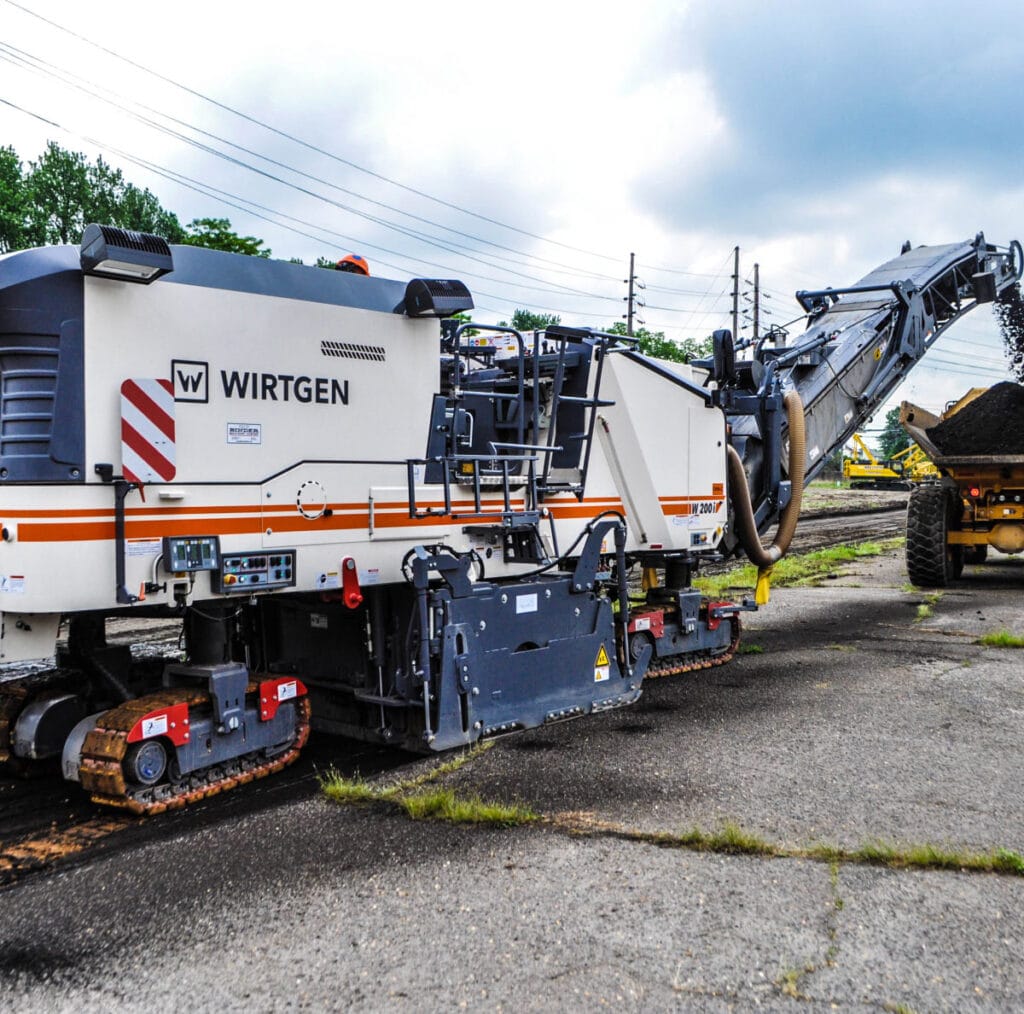
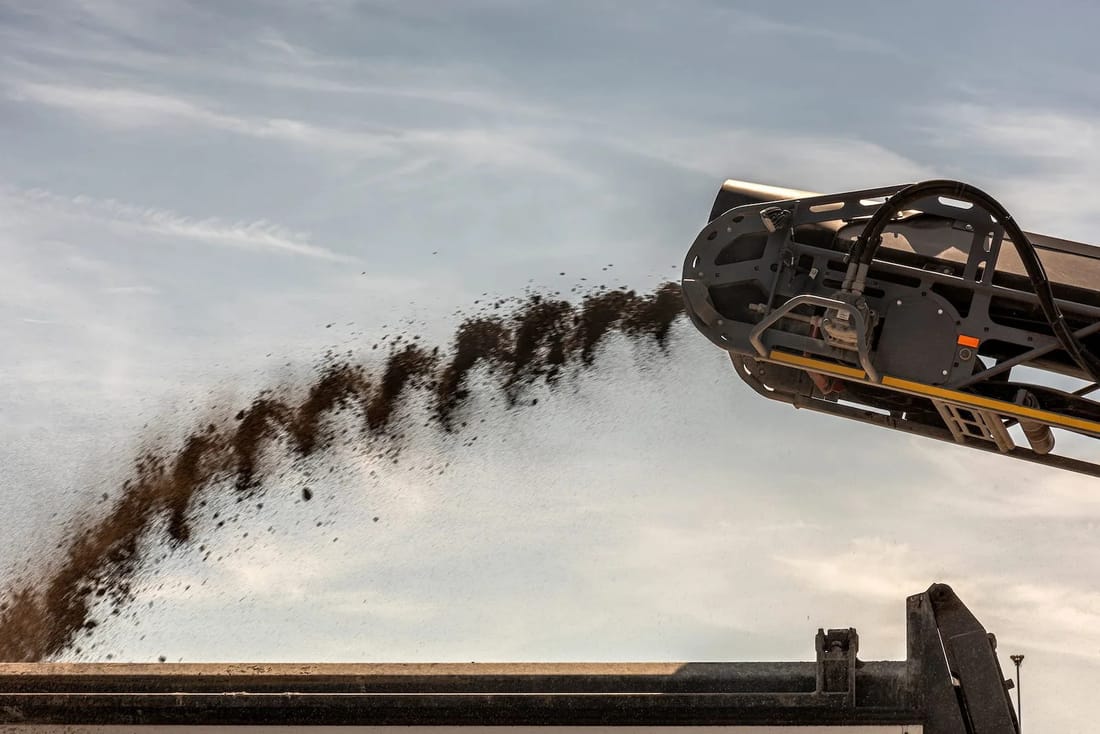
Third, we bring in a cold planer (milling machine). Its rotating drum with carbide teeth grinds the asphalt into small, reusable pieces. A conveyor loads those millings into haul trucks. Along concrete gutters, manholes, and around valley pans typical in Henderson subdivisions, our crew cleans up with smaller equipment and hand work to avoid damage.
Fourth, we clean and prep the milled surface. Loose debris is swept and blown off, tack coat is sprayed to bond the new asphalt to the milled layer, and transitions at driveways or curb returns are checked so you do not end up with abrupt edges.
Finally, we place and compact new asphalt. A paver places the new lift at the designed thickness, then rollers compact it to achieve density. Joints are checked closely, since Henderson heat means poorly compacted edges can unravel quickly. The result is a renewed surface tied securely into your existing structure.
Full-Depth Reclamation: Rebuilding the Base on Site
Full-depth reclamation is a different process from standard milling. It is used when the pavement and upper base are too deteriorated for a simple overlay. Precision Asphalt Henderson often recommends reclamation on older HOA streets, worn-out industrial yards with heavy truck traffic, and rural driveways where the base was never built correctly.
The process starts with a detailed evaluation of thicknesses and soil conditions. We may take cores to see how much asphalt and base exist. If we find repeated patching, deep cracks through the full depth, or pumping of fines under truck traffic, reclamation becomes a cost-effective option.
Using a reclaiming machine, we pulverize the existing asphalt and a portion of the base to a set depth, often 6 to 10 inches depending on traffic loads. In some Henderson industrial applications, we introduce additives such as cement or engineered emulsions to stabilize the blend. This creates a uniform, strengthened base layer that cures into a firm platform.
After mixing, we grade and compact the reclaimed material to the correct slope and elevation. This is the point where we correct long-standing drainage problems, such as low spots that have held water for years. Once the base meets compaction specs, we let it cure if stabilizers are used, then place new asphalt lifts over the top. You end up with a new structural section built largely from your existing materials, which keeps a significant amount of waste out of Nevada landfills.
Costs, Bids, and What Drives Your Asphalt Milling Price
Most of the cost questions Precision Asphalt Henderson receives about asphalt milling come down to a few main drivers: thickness, access, and condition.
Milling thickness and area are the starting point. Removing 1 inch over a small residential HOA lot behind locked gates costs more per square foot than a large, open commercial plaza on Eastern Avenue where trucks and machines can work efficiently. Deeper milling or full-depth reclamation also means more machine time and possibly more trucking.
Access and layout are next. Tight courtyards, in-use apartment complexes, or loading docks that must stay partially open require staging, night or weekend work, and traffic control. In Henderson’s busier commercial areas, we may need to phase work lane by lane to keep tenants open. This affects equipment moves and crew hours.
Existing conditions are crucial. If testing shows that your base is strong, we can often mill and overlay at a relatively low cost per square foot. If we find soft or saturated areas from poor drainage or broken irrigation lines, we will include localized base repairs or recommend reclamation. Ignoring these issues just to hit a lower price usually leads to reflective cracking and failures within a few summers.
When you request a quote, expect us to ask about previous work on the pavement, traffic loads (cars only, mixed, or heavy trucks), and any known drainage or irrigation problems. A site visit is usually necessary for an accurate milling or reclamation proposal that avoids surprise change orders later.
Common Problems in Henderson Pavement and How Milling Fixes Them
Henderson’s climate and development patterns create some recurring pavement problems that asphalt milling can directly address.
Rutting and shoving in wheel paths often show up near intersections, busy shopping centers, and access roads with frequent starts and stops. These ruts can hold water and increase the risk of hydroplaning. Milling allows us to cut out the deformed asphalt to a controlled depth, then replace it with mixes designed for higher stability.
Surface cracking and raveling are common in older subdivisions where thin overlays were placed over original streets. Over time, UV and heat dry out and oxidize the surface. Milling removes this brittle top layer and gives the new asphalt a sound, textured surface to bond to, which reduces the chances of cracks reappearing quickly.
Ponding and birdbaths occur when prior overlays were placed without correcting the profile. We see this a lot around valley gutters and near entrances where asphalt has been patched over and over. By selectively milling varying depths, Precision Asphalt Henderson reshapes the cross slope so water runs to drains or gutters, not into your parking stalls or up against building foundations.
Edge failures along drive lanes and dumpster pads are another issue, especially where heavy trash trucks or delivery vehicles run off the edge of thin pavement. Here, milling combines with localized base repair or reclamation to rebuild the edge and then tie it into the main pavement with proper compaction.
What Henderson Property Owners Should Decide Before Hiring
Before you hire any contractor for asphalt milling or reclamation in Henderson, it helps to make a few decisions and gather basic information.
First, clarify your priorities. Are you trying to stretch the life of a community street for another 7 to 10 years without a full rebuild, or do you need a heavy-duty section that will stand up to truck traffic behind a warehouse near the Beltway? Tell Precision Asphalt Henderson your expected use and time horizon so we can recommend milling depth, mix type, and whether reclamation makes sense.
Second, locate utilities and constraints. Many Henderson properties have shallow irrigation lines that were installed after the pavement, as well as utility lids, water meters, and catch basins. We coordinate milling depths around these, but knowing what exists helps avoid surprises. If you have as-builts or previous engineering plans, keep them handy.
Third, think about operating schedules. For apartment communities, medical offices, schools, and churches, we often phase milling and paving so you always have functional parking. Night work or weekend work can be scheduled, but it should be agreed to upfront so neighbors and tenants are informed.
Finally, ask for a clear scope. Your proposal should state milling or reclamation depth, areas to be treated, how millings will be handled (removed from site or reused), the thickness of new asphalt, and any base or drainage corrections included. A detailed scope is the only way to compare bids fairly and to know you are not getting a thin skin of asphalt over underlying problems that will come back.